IN 2003, TOKYO-BORN ARTIST TAKASHI MURAKAMI WALKED INTO THE OFFICES OF A 149-YEAR-OLD PARISIAN HOUSE AND REWIRED THE DNA OF ONE OF FASHION’S OLDEST INSTITUTIONS, FOREVER RESHAPING THE DIALOGUE BETWEEN CREATIVITY AND LUXURY.
Before Takashi Murakami arrived, luxury fashion largely kept art at arm’s length. Collaborations existed, but they were often surface-level exercises—a borrowed print, a famous name. What Murakami and Marc Jacobs created for Louis Vuitton in the early 2000s was something far more transformative: a collision of high fashion, contemporary art, and pop culture that permanently altered the fashion industry’s visual language.
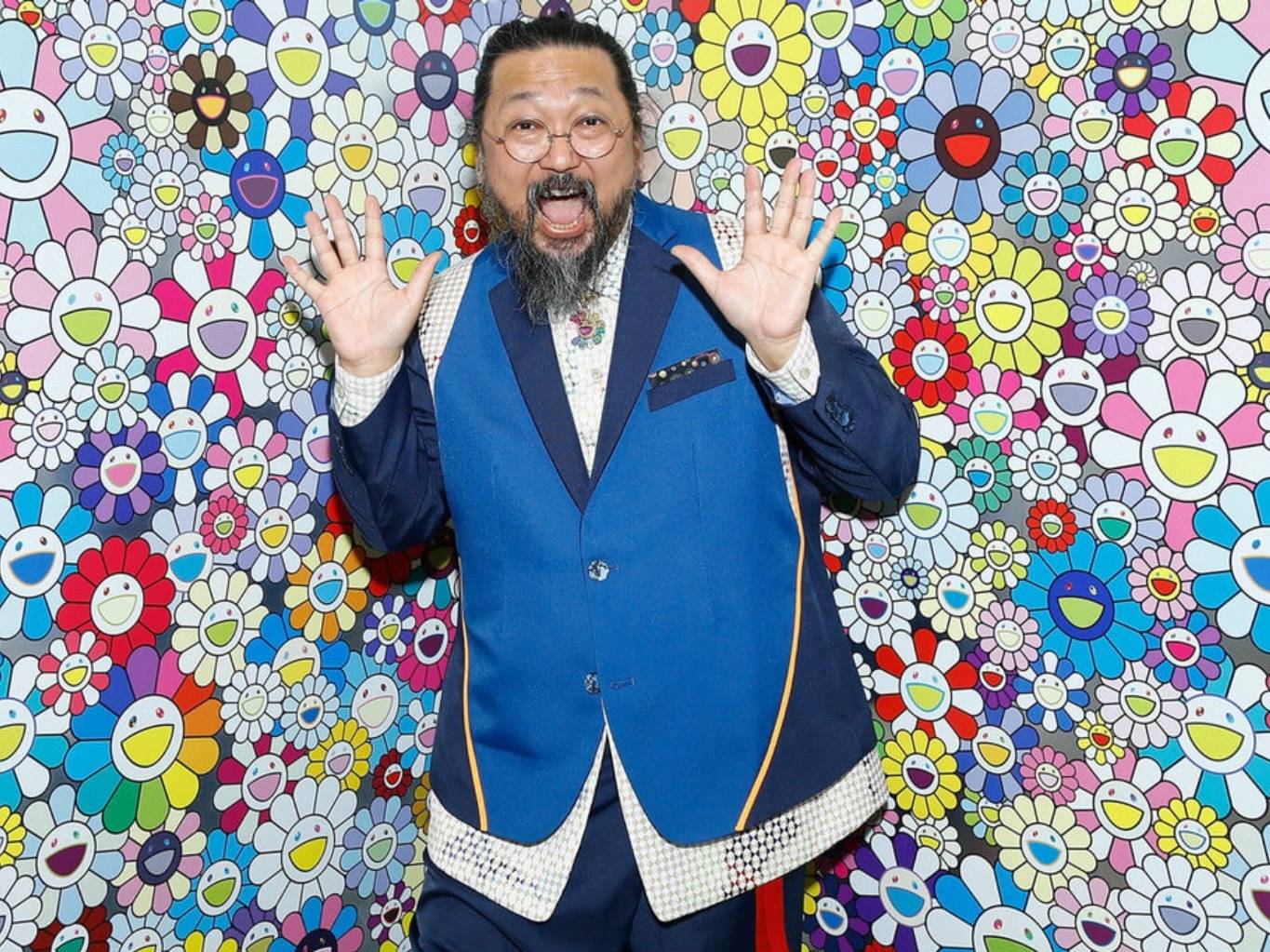
Already celebrated in contemporary art circles for his “Superflat” theory—which linked traditional Japanese art, anime, manga, and consumer culture through their shared flatness and mass appeal—Murakami approached Vuitton’s iconic monogram as a playground. His first designs exploded the classic brown-and-gold canvas into 33 vibrant colors splashed across white and black backgrounds. The bags polarized critics and immediately sold out, becoming one of the defining status symbols of the decade and generating more than $300 million in sales within the first year alone.
Subsequent collections introduced Murakami’s smiling cherry blossoms, cheerful pandas, and wide-eyed anime-inspired jellyfish, blurring the line between gallery artwork and commercial handbag in ways fashion had rarely attempted before. The collaboration became both cultural phenomenon and commentary, especially as counterfeit versions flooded street markets worldwide—a tension Murakami and Jacobs knowingly embraced with their famous Canal Street-style installation outside the Brooklyn Museum in 2008.
Critics who dismissed the partnership as simple art-world branding largely missed the point. Murakami’s entire practice challenged the Western idea that fine art and commerce should remain separate. Placing his work on handbags was not a compromise; it was a continuation of the argument he had always been making.
That conversation lives on. To celebrate the partnership’s 20th anniversary last year, Louis Vuitton launched an expansive 2025 re-edition collection spanning more than 200 pieces, from leather goods to fragrance and eyewear, all the more vivid thanks to advancements in printing technology. Later that year, Murakami was tapped to curate an installation in collaboration with LV at the Grand Palais for Art Basel Paris, reaffirming just how enduring his influence on luxury fashion remains.
What began as collaboration has become cultural transformation.